


Тир-лист классов Sword x Staff: руководство для начинающих
Sword x Staff can feel overwhelming for new players with its different classes, skills, upgrades, and progression systems. This beginner guide covers the best classes to choose and how to make faster progress from the beginning.
Sword x Staff Beginner Guide Overview
Sword x Staff is a mobile RPG that combines exploration, idle progression, strategy, and class-based combat. Set in the world of Kanstein, the game lets you create and develop your character through skill trees, class selection, leveling, combat, and gear upgrades. If you want to top up before investing in class upgrades, skill pulls, or early progression, you can Top Up Sword x Staff at WISHGM for affordable prices and secure transactions.
The early game may seem straightforward at first, but progression quickly becomes more involved. You start by choosing a class path and can unlock more powerful classes as you advance. Choosing a class that fits your playstyle and managing your resources carefully can make progression much smoother. Upgrading everything at once can quickly drain your resources, so it is better to focus on the areas that matter most for your chosen path.
How the Class System Works
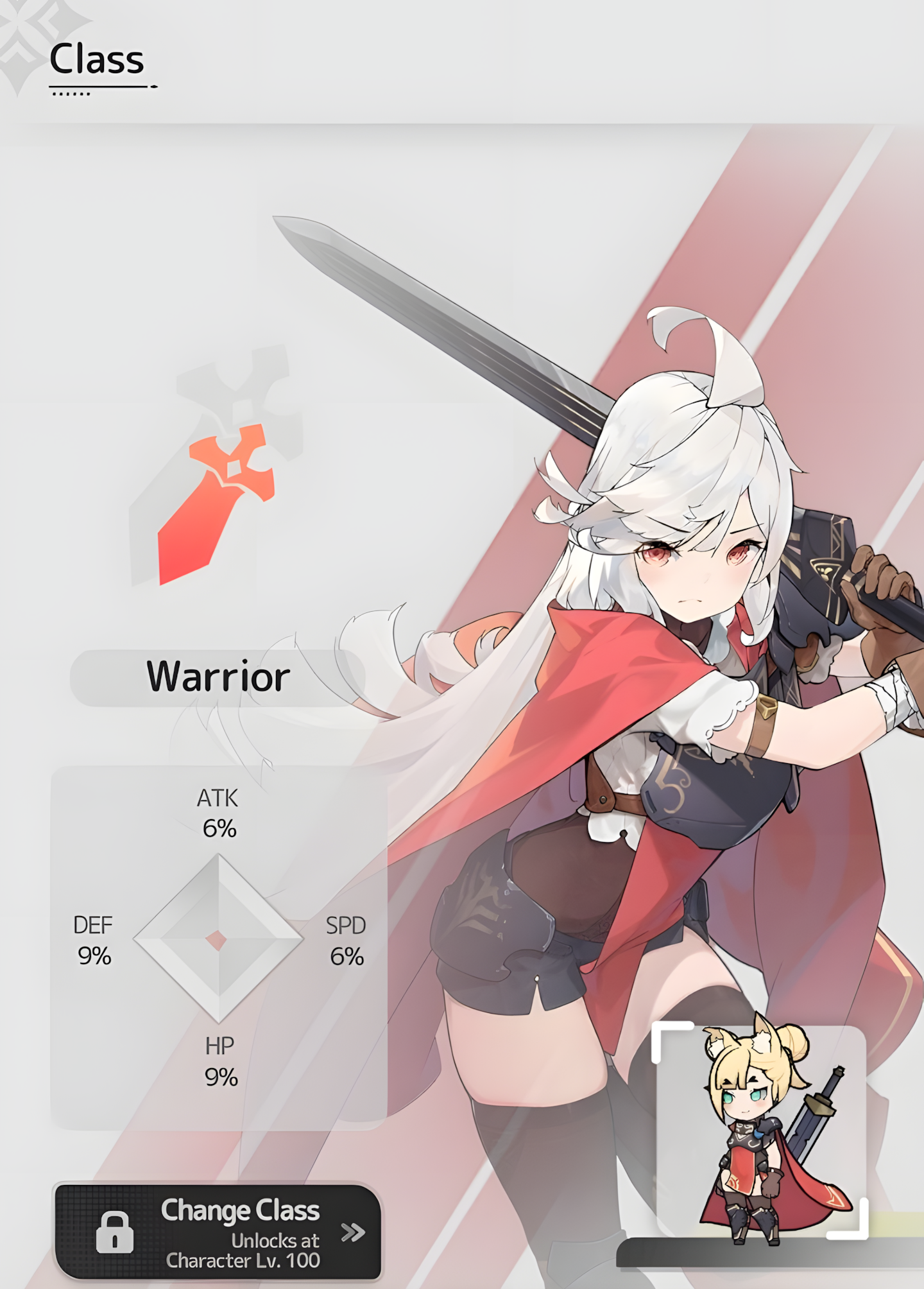
Sword x Staff uses a four-tier class system. You begin as either a Warrior or Mage, with each promotion leading to a more specialized class.
Tier 1
Warrior or Mage, your starting class.
Tier 2
Unlocked at level 44 after reaching Cinder Ridge. Warrior branches into Duelist or Knight, while Mage branches into Sorcerer or Sage.
Tier 3
Each Tier 2 class develops into a more specialized form. Duelist becomes Berserker, Knight becomes Paladin, Sorcerer becomes Archmage, and Sage becomes Arcanist.
Tier 4
The final class tier for each path. Berserker becomes Conqueror, Paladin becomes Guardian, Archmage becomes Destroyer, and Arcanist becomes Controller.
You can change classes later using the game's reset options, so your first choice is not permanent. However, understanding how each class path develops can help you decide where to invest your resources as you progress.
Sword x Staff Class Tier List
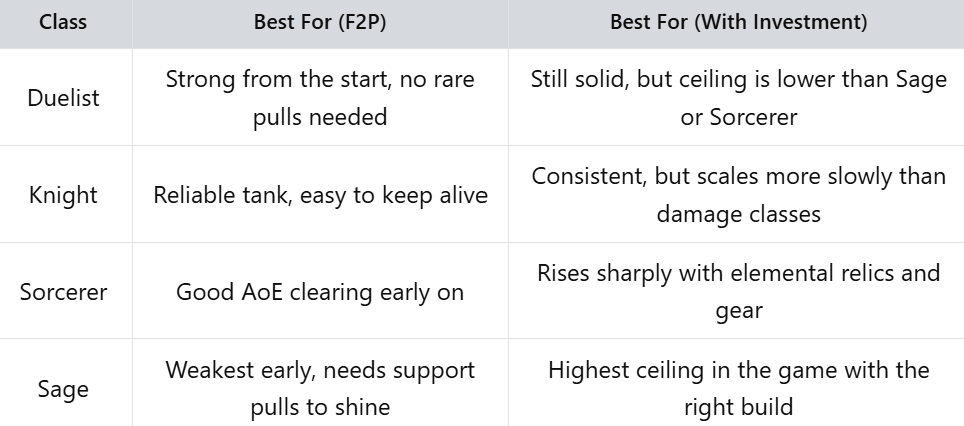
Instead of having one universally best class, the Sword x Staff class tier list can vary depending on how much you invest in the skill gacha. For free-to-play players, Duelist and Knight are strong options early on because their performance does not rely as heavily on rare skill pulls. Players who invest more into skill pulls may find Sage and Sorcerer more rewarding in the long run, as their kits can benefit more from premium skills and gear.

Best Classes to Pick
Duelist: Best for Fast Early Progress
Duelist is one of the Warrior classes and specializes in close-range combat with high single-target damage. It is a good fit for players who prefer an aggressive playstyle and want to stay actively involved in combat.
Duelist is beginner-friendly because its gameplay is straightforward. Get into melee range, chain your attacks, and take down enemies quickly without having to manage complicated support mechanics.
Duelist is best if you like:
Fast melee combat
Strong early damage
Simple, direct gameplay
An aggressive playstyle
The main drawback is survivability. Since Duelist fights at close range, you still need to keep your gear and defensive upgrades up to date to avoid being overwhelmed.
Knight: Best Safe Class for New Players
Knight is the defensive branch of the Warrior path. It focuses on durability, protection, and surviving encounters that may be more difficult for less defensive classes.
Knight is particularly suitable for new players who are still getting familiar with combat timing and positioning. Its durability gives you more room to make mistakes while learning the game's combat flow.
Knight is best if you like:
Tanky, durable gameplay
Safer boss fights
Defensive builds
Steady, low-pressure progression
Knight may not clear content as quickly as Duelist or Sorcerer, but its reliable survivability makes it a consistent choice for leveling and progression.
Sorcerer: Best Magic Damage Class
Sorcerer is the ranged damage branch of the Mage path. It relies on elemental spells and powerful AoE attacks, allowing it to deal damage to multiple enemies within an area instead of focusing on individual targets.
If you prefer keeping your distance and dealing damage through powerful spells, Sorcerer is a strong choice. Its AoE abilities are especially useful when fighting groups of enemies.
Sorcerer is best if you like:
Ranged spellcasting
Elemental skill builds
AoE clearing
High burst damage numbers
The downside is lower durability compared with the Warrior classes. Keeping your equipment and defensive stats upgraded is important if you want to avoid being overwhelmed during difficult encounters.
Sage: Best for Support Players
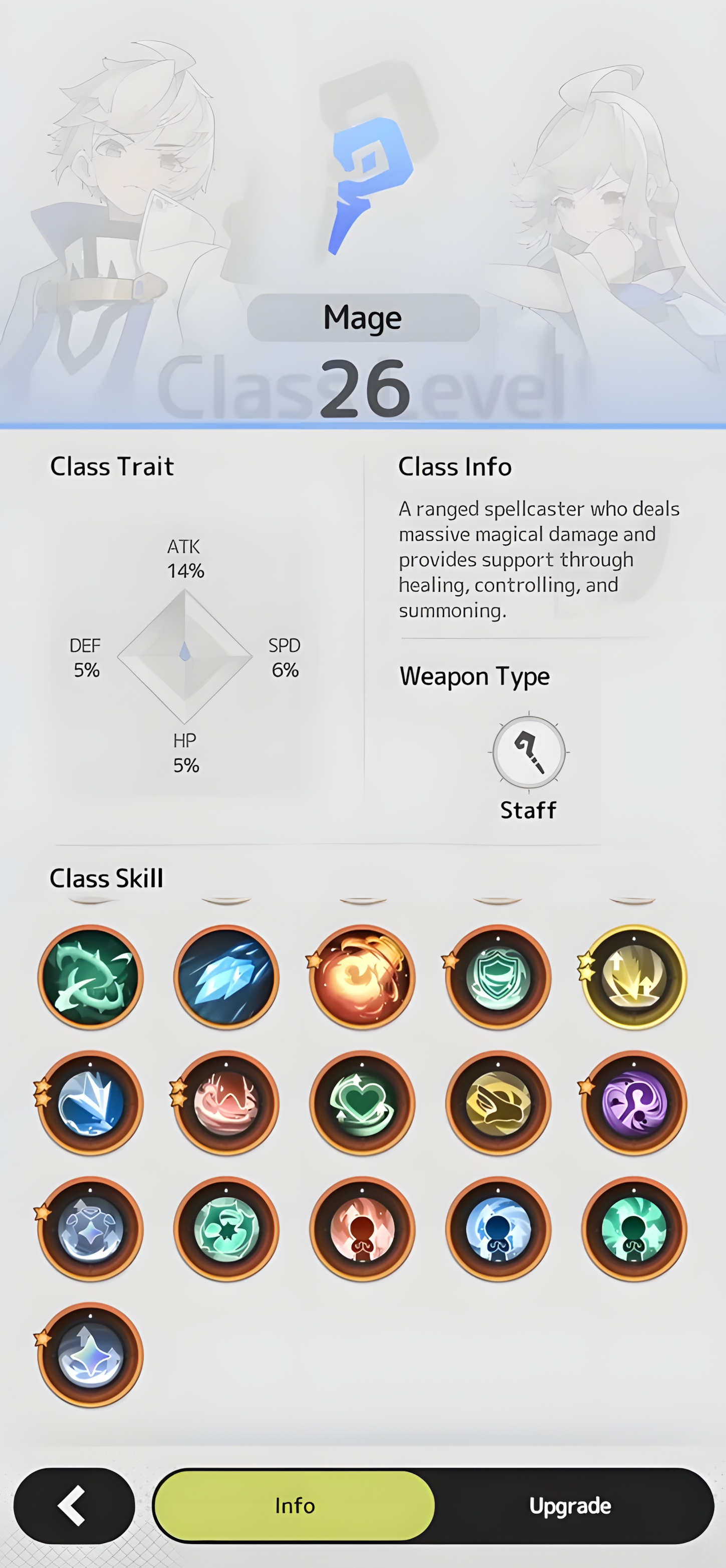
Sage is the support branch of the Mage path, offering healing, summons, and various utility effects. Although it can function as a healer, its potential is not limited to pure support. Depending on your build and investment, Sage can also focus on debuffs or burst damage.
Sage may feel slower during the early stages when playing solo, but its support and debuff mechanics can become much more valuable as you progress and invest further into the class.
Sage is best if you like:
Healing and support
Summons and utility
Flexible, build-dependent gameplay
Team-based content
If your main priority is fast solo progression, Duelist or Sorcerer may feel more comfortable early on. However, players willing to invest in the class and build around its support mechanics can get strong long-term value from Sage.
Advanced Classes: Tier 3 and Tier 4
As you progress beyond the early game, each Tier 2 class develops into a more specialized path. These advanced classes become available later and further define how each class performs in combat.
Berserker and Conqueror (Duelist Path)
Berserker builds on Duelist's combo-focused damage with stronger multi-hit attacks. Conqueror, the Tier 4 form, takes this aggressive approach further with a high-damage playstyle centered around burst opportunities.
Paladin and Guardian (Knight Path)
Paladin expands Knight's defensive role with additional team-support abilities. Guardian, the Tier 4 form, focuses on maintaining a strong frontline and surviving challenging endgame encounters.
Archmage and Destroyer (Sorcerer Path)
Archmage strengthens Sorcerer's AoE-focused playstyle with improved elemental scaling. Destroyer, the Tier 4 upgrade, takes the path further by emphasizing high area damage for endgame content.
Arcanist and Controller (Sage Path)
Arcanist develops Sage's support abilities into a more debuff-oriented playstyle while retaining useful survivability tools. Controller, the Tier 4 form, focuses more heavily on battlefield control and utility, making it a strong option for group content.
How to Progress Fast From the Start
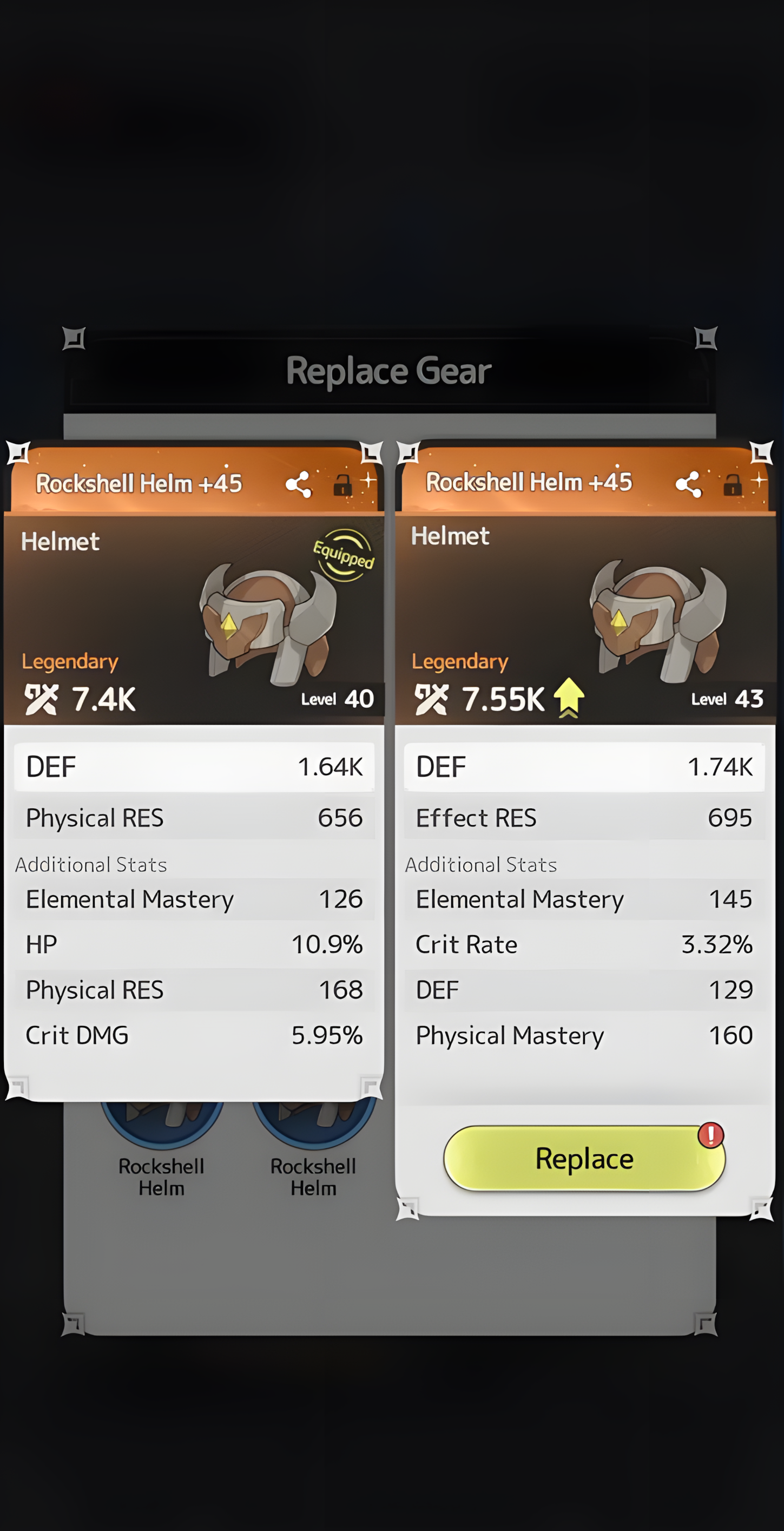
Choosing the right class is only part of progressing efficiently in Sword x Staff. Managing your upgrades, skills, and resources carefully is just as important.
Main Quest
Prioritize the main quests early on. They unlock new areas, systems, and class progression, so it is generally better to advance the main story before spending too much time on side content.
Combat Power
Keep improving your Combat Power as you progress. Focus on meaningful upgrades such as gear, skills, and class progression instead of spreading your resources across too many upgrades at once.
Save Currency
Try to save your premium currency instead of spending it immediately. Some stronger class-focused options become more valuable as you progress, so holding your resources until you have a clearer idea of your preferred class can help you spend more efficiently.
Upgrade Skills
Prioritize skills that complement your chosen class. Duelists should focus on damage and critical-hit effects, while Knights benefit more from defensive and survival skills. Sorcerers should prioritize elemental damage, while Sages can focus on healing, summons, and support effects.
Best Daily Routine for Beginners
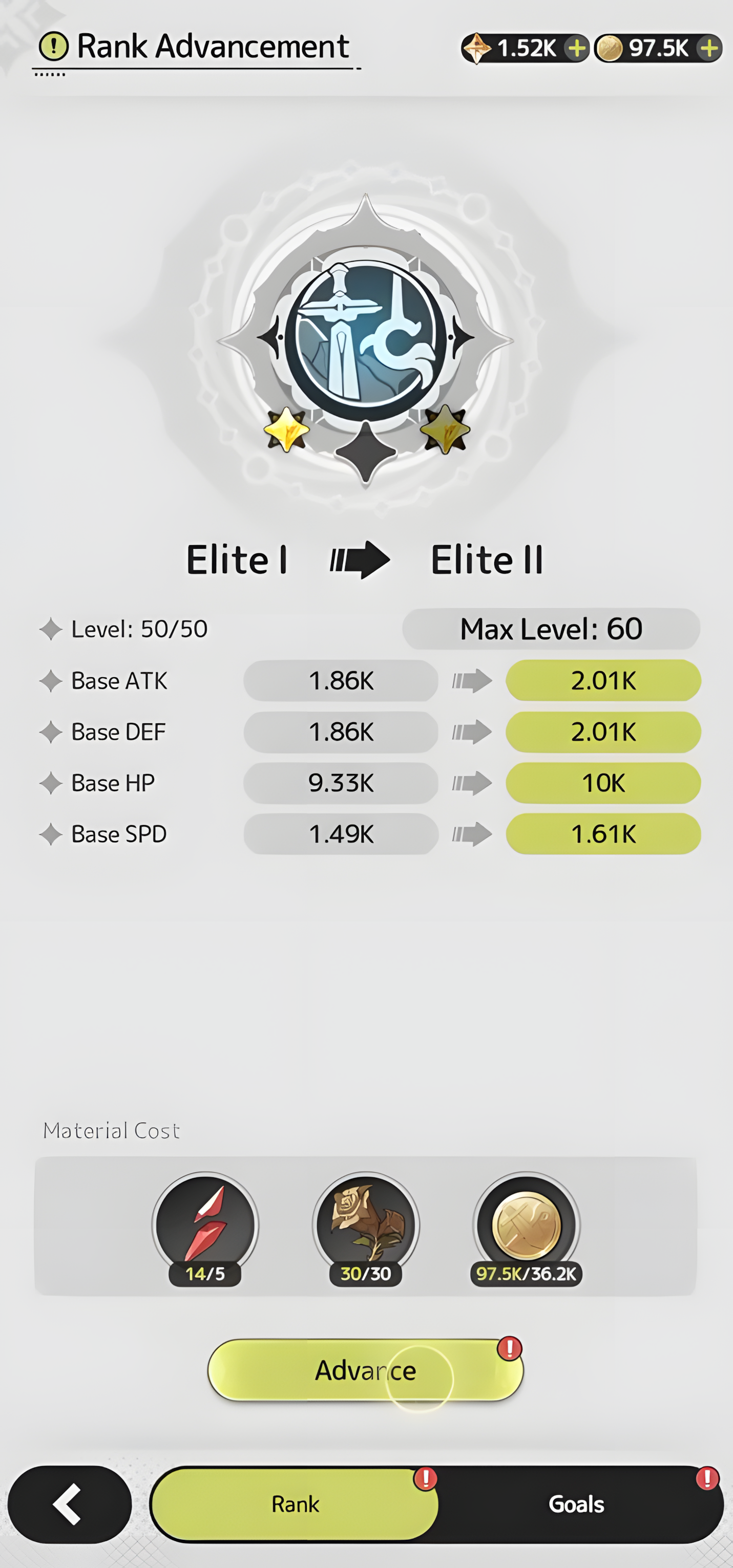
A simple daily routine can help you make steady progress without spending too much time figuring out what to do next. Start with the main quests, then work through daily missions, upgrade your gear and skills, and use your stamina or energy on content that supports your current progression.
1.Clear main quests until you get stuck.
2.Complete daily missions.
3.Upgrade gear and skills.
4.Check class progression requirements.
5.Spend resources on your main build.
6.Claim event and idle rewards.
For most beginners, this routine is enough to maintain steady progress. There is no need to turn every daily reset into a full-time job.
Common Beginner Mistakes to Avoid
One of the biggest mistakes is changing your focus too often. Constantly switching classes, skills, or upgrade priorities can spread your resources too thin and slow down your overall progression.
Another common mistake is spending premium currency too early. Take some time to understand the class system and decide which path fits your playstyle before committing your resources.
Gear should not be overlooked either. Even a strong class can struggle when its equipment falls behind. Your class determines how you play, but keeping your gear upgraded is essential for maintaining your combat performance.
Conclusion
Sword x Staff's class system becomes much easier to understand once you see how the four tiers connect. Duelist and Knight are reliable starting choices for players looking for straightforward, low-investment progression, while Sorcerer and Sage can offer more potential for players willing to invest in their builds. Each path eventually develops into its own Tier 3 and Tier 4 classes, so your early choice can have a lasting impact on your playstyle.
Focus on the main quests, keep your Combat Power moving upward, and save your currency for the class path you actually want to develop. When you need additional resources for your progression, WISHGM offers a convenient way to Top Up Sword x Staff and continue building your character toward the endgame.