


Last War Survival — руководство по альянсу: почему игра в одиночку замедляет ваш прогресс
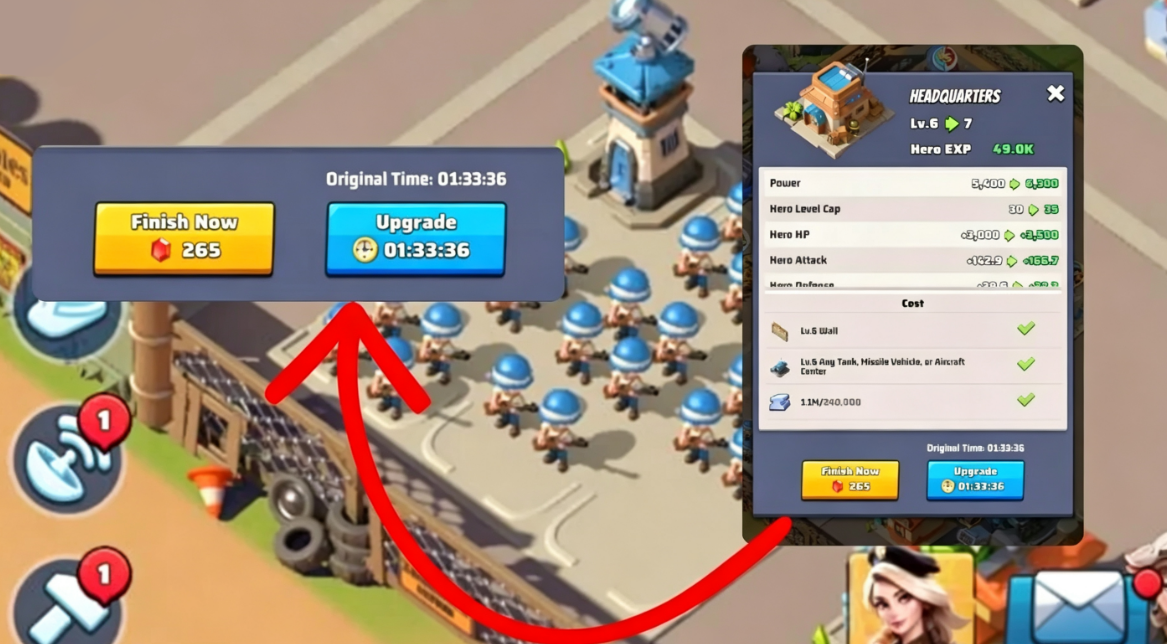
Last War: Survival often feels fast and rewarding during its early stages. Upgrades finish quickly, resources are relatively easy to manage, and progress feels steady without requiring much planning. However, that early pace can be misleading. As the game develops, upgrade timers become longer, event schedules begin to overlap, and small decisions can have a much greater impact on long-term progression.
At that point, efficiency becomes more important than simply staying active. Players who want to maintain steady progress often need to think beyond daily tasks and short-term rewards. Using services such as WISHGM can also help players manage their game top-ups when additional resources are needed, while keeping their overall progression on track.
This change in pace is an important part of Last War: Survival. The game gradually introduces more pressure and requires players to adapt when quick progress is no longer guaranteed. Understanding where that pressure comes from is the first step toward staying efficient instead of falling behind.
Why Solo Progress Feels Fast—Until It Doesn’t
Early-game solo play works well because most systems are forgiving. Timers are short, enemies are manageable, and resource shortages are usually easy to overcome. At this stage, inefficient decisions rarely have serious consequences.
The problem appears as progression starts to scale. Resource requirements increase, events overlap, and mistakes become more costly. Solo players have to absorb every setback on their own. There is no shared support or additional buffer to help recover from losses. What initially feels like freedom can eventually become a source of friction.
At this stage, the game becomes less about how active you are and more about how well you work with other players.
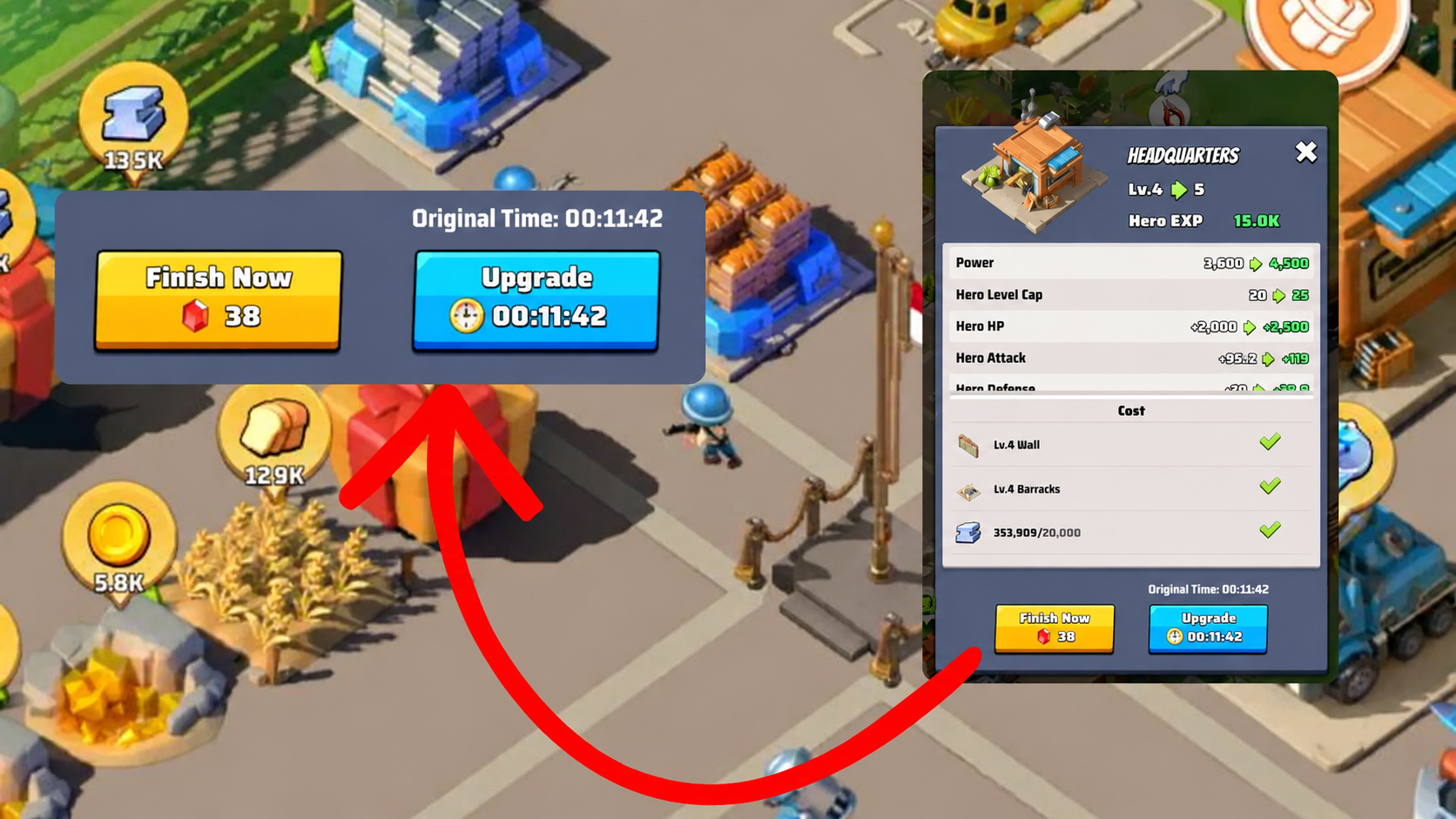
Alliances Don’t Just Add Power—They Add Stability
Alliances are often viewed simply as a way to increase overall power. In practice, one of their biggest advantages is stability. Shared rallies reduce individual risks, coordinated defense can limit losses, and group participation makes event objectives easier to manage.
When something goes wrong within an alliance, the impact can often be distributed across the group. When the same situation happens while playing solo, the entire cost falls on one player. Over time, that difference can have a noticeable effect on progression.
Progress is not only about gaining more. It is also about reducing unnecessary losses.
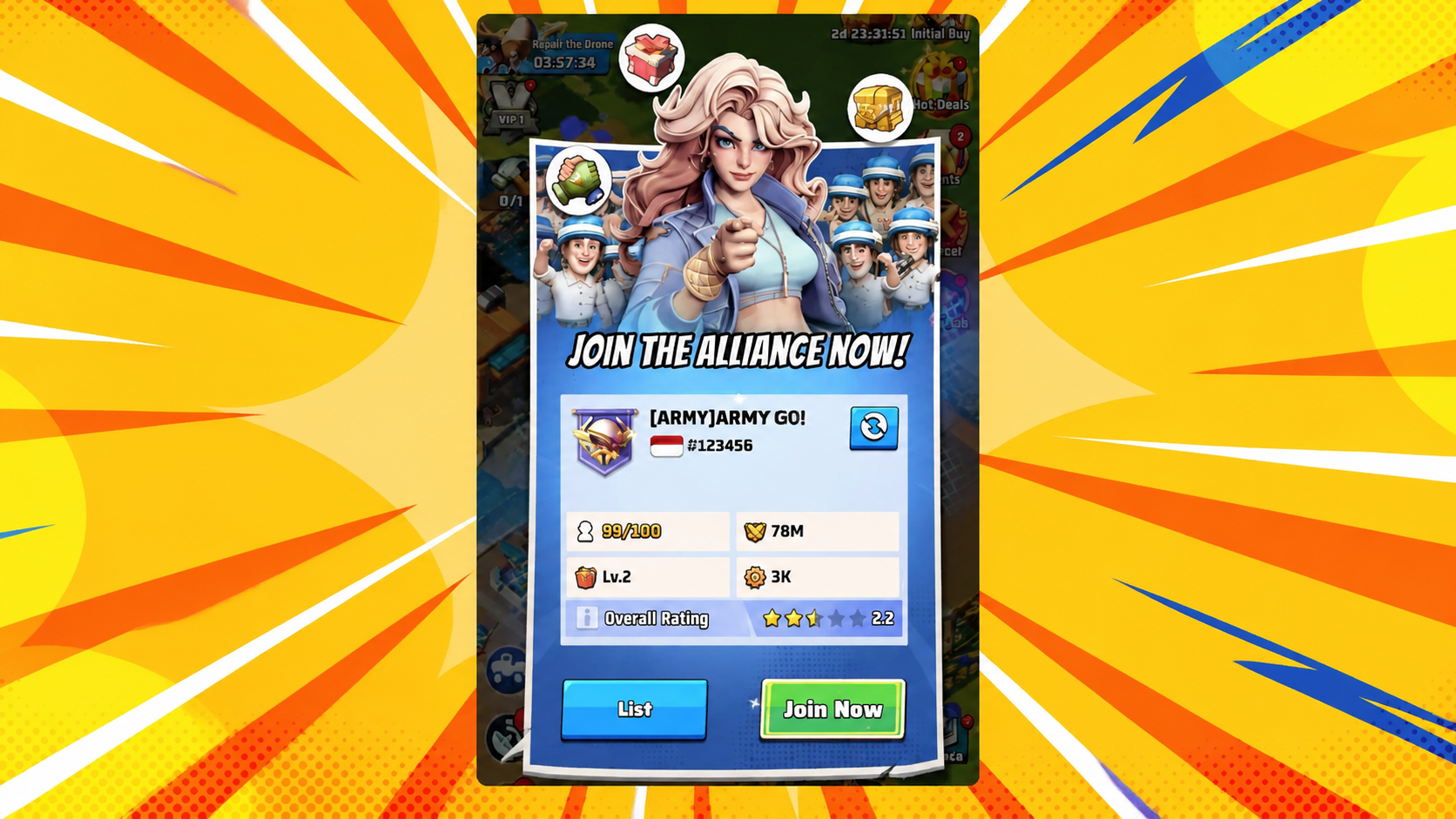
Event Design Quietly Favors Alliance Play
Many limited-time events in Last War: Survival reward consistent participation and coordination. The value of these events is not determined by individual effort alone, as working together can make it easier to reach important milestones.
Solo players may need to spend more resources or invest more time simply to maintain the same pace. Alliance members can divide responsibilities, coordinate their efforts, and work toward shared objectives with less individual pressure. Alliances do not necessarily make events easier, but they can make them more manageable.
This becomes especially important when multiple events appear one after another and there is little time to recover between them.
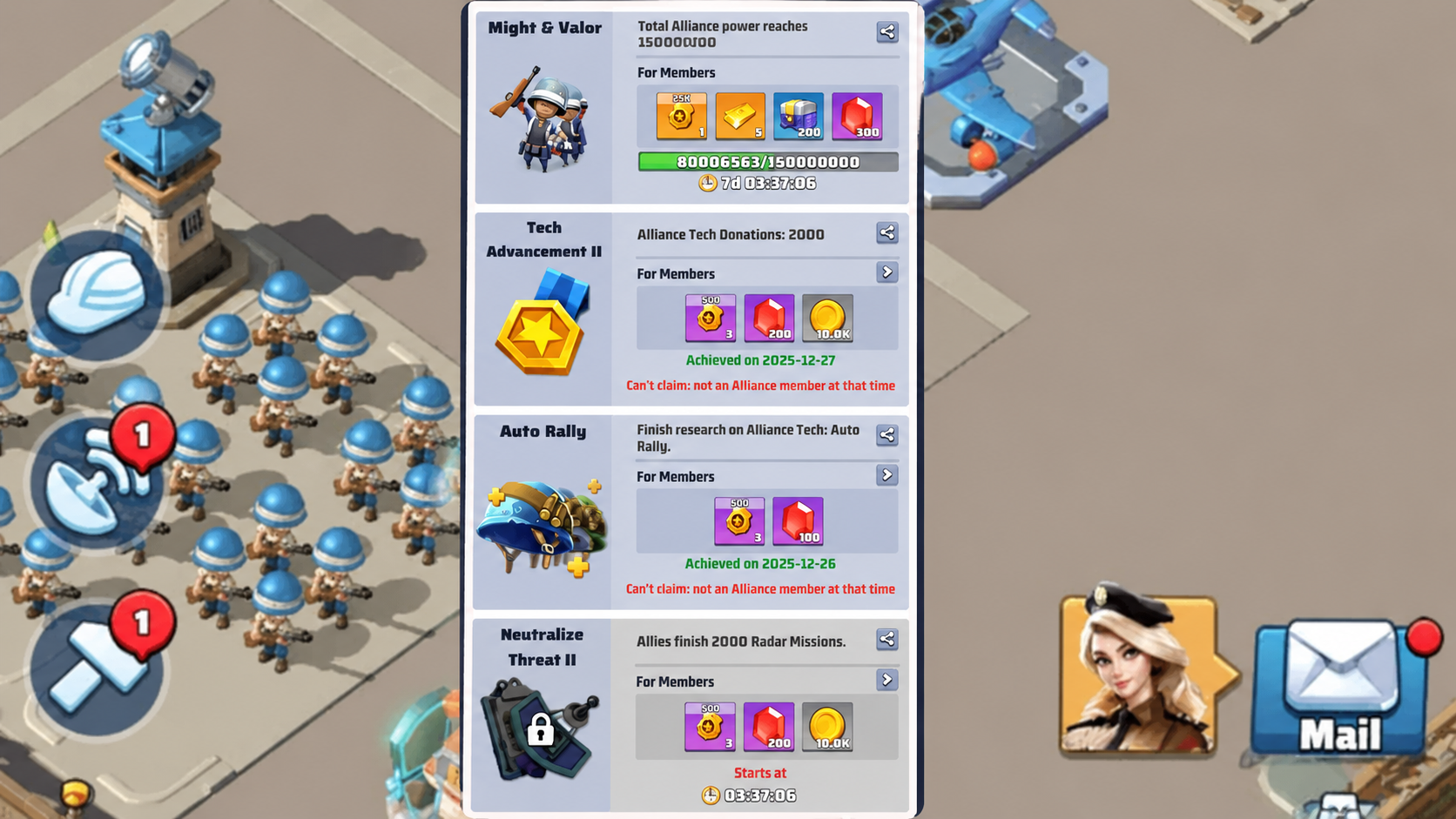
Resource Flow Is Where Solo Players Fall Behind
One of the biggest differences between solo and alliance play is resource flow. Alliances can create more predictable cycles through contribution, cooperation, and reinforcement. Solo players, on the other hand, need to manage their own resources from start to finish.
This makes every major decision more important. Should you upgrade immediately or save your resources? Is it better to push your current progression or wait for a more suitable event? A poor decision can create a significant setback because there is no shared support to help absorb the cost.
Alliances do not eliminate resource management risks, but they can make mistakes less punishing.
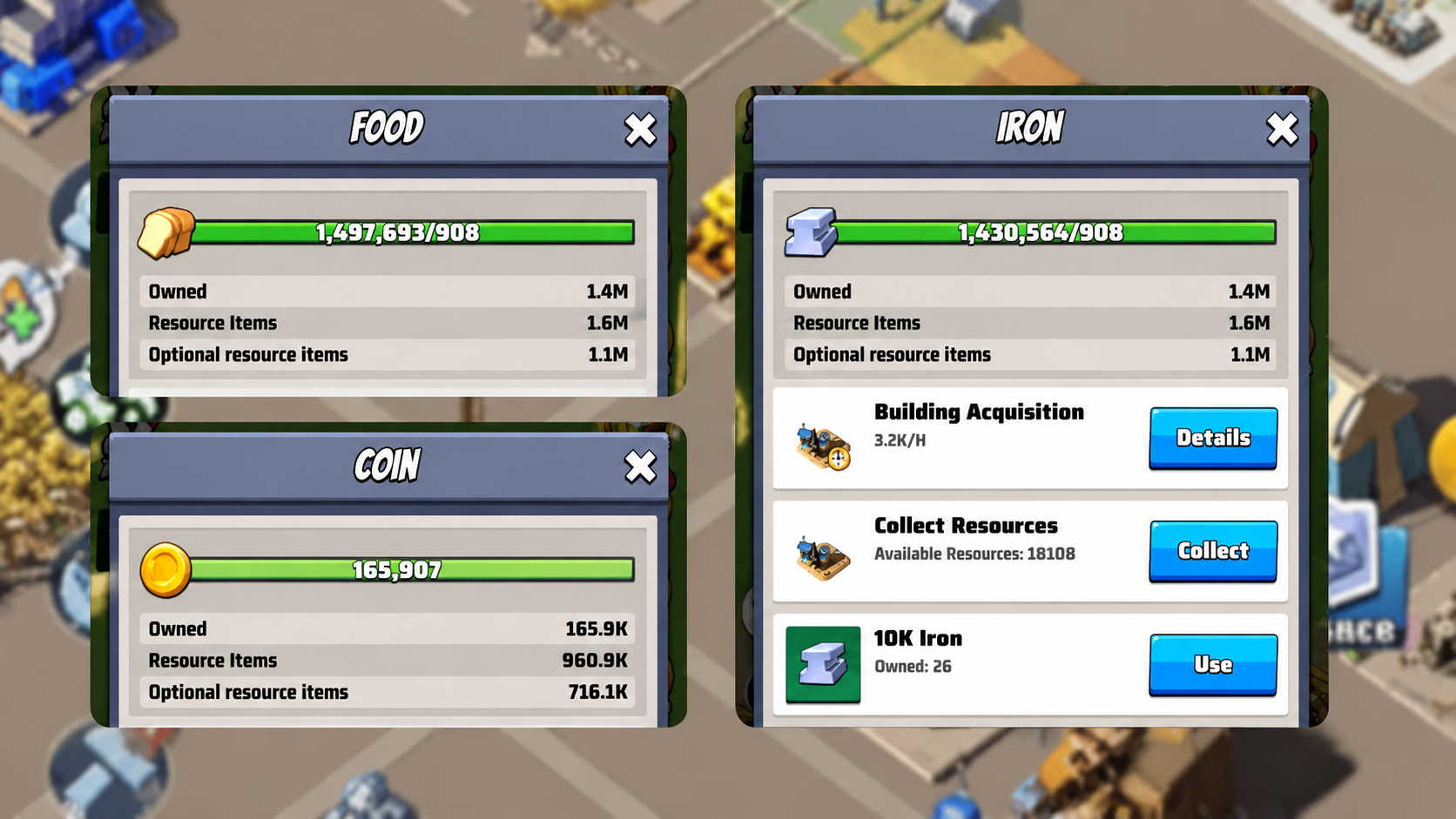
When Playing Solo Becomes a Bottleneck
Solo play can become a bottleneck when:
1.Recovery takes longer than progression.
2.Events start feeling stressful instead of rewarding.
3.Growth depends too heavily on perfect timing rather than effective planning.
At that point, simply playing more does not necessarily mean progressing faster. You may remain active throughout the day while gaining less from that activity. In Last War: Survival, efficient resource management and long-term planning become increasingly important as progression slows down.
Conclusion
As progression becomes slower and decisions become more demanding, maintaining momentum becomes more important than simply pushing forward nonstop. For players who want to keep their upgrades and progression moving smoothly, WISHGM's Last War: Survival top-up service provides a convenient option when additional in-game resources are needed.